9+ curated guides • Updated September 2025
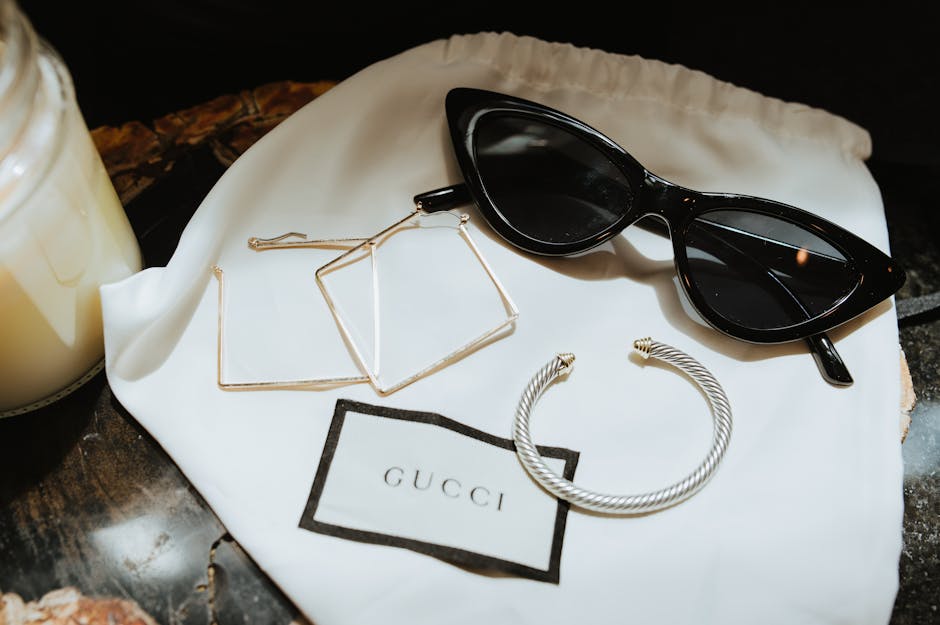
You came looking for a price tag, but the story of Gucci's most expensive hat isn't about the cost—it's about the value. This isn't just headwear; it's a meticulously crafted piece of brand lore, a symbol of an economic echelon, and a fascinating case study in what makes an object worth more than its weight in gold. Before we dissect the anatomy of this wearable asset, understand this: the five- or even six-figure sum attached is merely the entry point. The true value is unlocked by understanding the confluence of history, material science, and the powerful psychology of desire that Gucci has masterfully engineered. This article moves beyond the superficial to analyze the very essence of modern luxury, using this singular object as our lens.
Think back to 2022, a year of cautious re-emergence. On one hand, you saw microscopic purses that could barely hold a lipstick, and on the other, giant tote bags prepared for any apocalypse. This wasn't just a random fashion moment; it was a battle for our post-pandemic soul being waged on our shoulders. As we stepped out of lockdown's long shadow, our accessories became the most telling artifacts of our internal state. The choice between a Jacquemus Le Chiquito and a Saint Laurent Icare maxi tote was never just about aesthetics; it was a subconscious declaration of intent. It answered the fundamental question we were all grappling with: in this new world, do I need the radical freedom of having nothing to lose, or the absolute security of carrying everything I could possibly need?
You’ve seen it everywhere: peeking from the collar of a CEO, shimmering on a royal, and defining the 'old money' aesthetic on TikTok. But the Alhambra necklace is more than just a lucky charm; it's a password. This is the story of how a simple clover design from 1968 became the most potent, non-verbal signal of a new kind of status. It's a piece that has transcended its physical form to become a keycard for a particular stratum of society, a cultural barometer measuring our collective anxieties and aspirations around wealth. In this analysis, we will deconstruct the Clover Code to understand what it reveals about us.
Remember the explosion of chunky gold chains and dopamine-drenched beads in 2022? That wasn't an accident; it was a cultural signal. We'll move beyond the 'what' and explore the 'why,' revealing how our collective desire for strength, joy, and nostalgia was worn on our wrists, necks, and ears. As a fashion psychologist, I analyze these adornments not as mere accessories, but as artifacts of a specific moment in time—a time when we were collectively re-emerging, re-evaluating, and reclaiming our identities. The jewelry of 2022 was our chosen language, a non-verbal broadcast of our internal state to the outside world.
For decades, the designer gold watch was the predictable prize at the top of the corporate ladder. Today, that same watch is worn by artists, entrepreneurs, and athletes, paired with hoodies and sneakers. This isn't just a trend; it's a fundamental shift in what the gold watch signifies, and mastering its new language is the key to wearing one well. We're moving beyond the simple flex of wealth and into a more nuanced territory of personal narrative and sartorial irony. This isn't a guide to buying a watch; it's a field guide to understanding what it means to wear one now. Forget the mahogany-paneled boardrooms of the past; the new habitat for this apex predator of accessories is the street, the studio, and the startup incubator.
We trust algorithms to find us a date, a movie, or the fastest route home. But can a machine truly grasp the art of choosing the perfect handbag or statement earring? I put the bots to the test, abandoning my own taste for a full week to see if AI-powered online stylists could truly elevate my look, or if they'd just turn me into a fashion cliché. I approached this experiment with the same enthusiasm I reserve for corporate team-building exercises: professionally committed, personally dubious. My closet is less a collection of clothes and more a curated archive of my life—each piece with a backstory. The idea of letting a lines of code, devoid of memory or sentiment, rummage through it felt like inviting a robot to write my biography. Yet, the promise was tantalizing: a perfectly objective eye, free from my own biases and comfort zones. Could it unlock a new level of style, or would I end up looking like a data-driven mannequin?
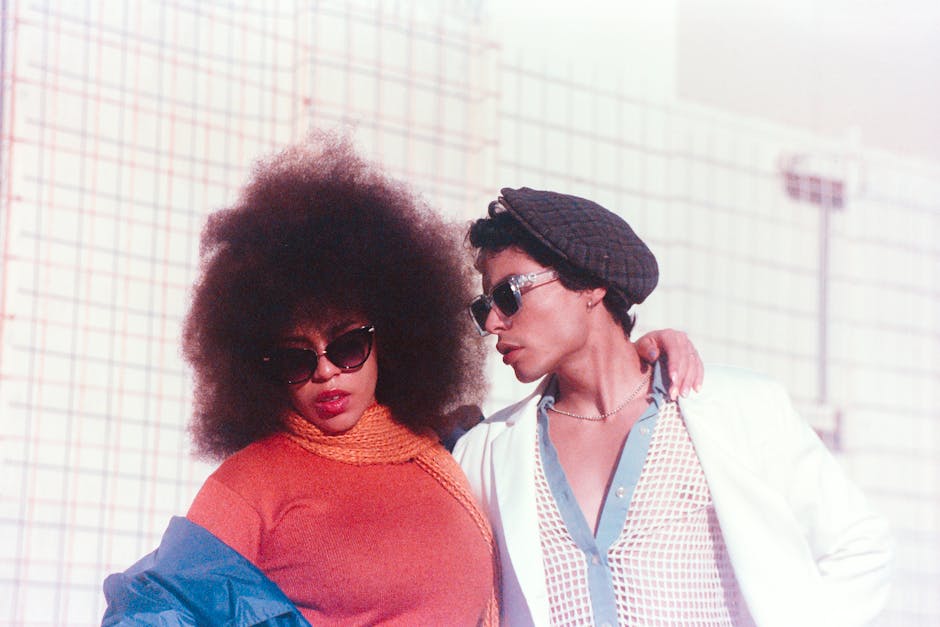
You've seen the photos: a silk scarf tied as a bohemian headband or knotted at the neck of a disco queen. But what if that simple piece of fabric was more than just a fashion statement? In the 1970s, the way you wore your scarf was a secret code, broadcasting your tribe and your beliefs to the world. This wasn't just about aesthetics; it was a socio-political broadcast worn around the neck, head, or wrist. In a decade fractured by the Vietnam War, civil rights movements, and economic uncertainty, personal style became a primary vehicle for self-identification. And the humble scarf, accessible and versatile, became its most potent and nuanced messenger.
We're trained to see a 'celebrity fake' as a threat—a malicious deepfake or a hacked account designed to deceive. But behind the scenes, a completely different reality is emerging where the 'fake' is no longer the enemy, but the ultimate asset. The smartest celebrities aren't just fighting their digital doppelgängers; they're building, licensing, and deploying them to create a perfect, immortal brand. This isn't about deception; it's about strategic replication. By embracing authorized AI-driven personas, celebrities are scaling their presence, personalizing fan engagement, and building a digital legacy that will outlive them. The 'celebrity fake' is evolving from a violation into the ultimate form of intellectual property.
The gyaru aesthetic was born from a rebellion of glorious excess—more glitter, more charms, more everything. But as the world leans into minimalism and sustainability, how does this unabashedly maximalist style survive? Far from fading away, a new generation is proving that you can be both eco-conscious and outrageously decorated. This isn't a contradiction; it's an evolution. The spirit of gyaru was never just about buying things; it was about defiant self-expression. Today, that defiance is aimed squarely at the twin pressures of minimalist conformity and fast-fashion wastefulness, creating one of the most exciting and resourceful movements in modern street style.